Run the Numbers Before You Reorder: A Defensible Framework for the Single-Use Decision
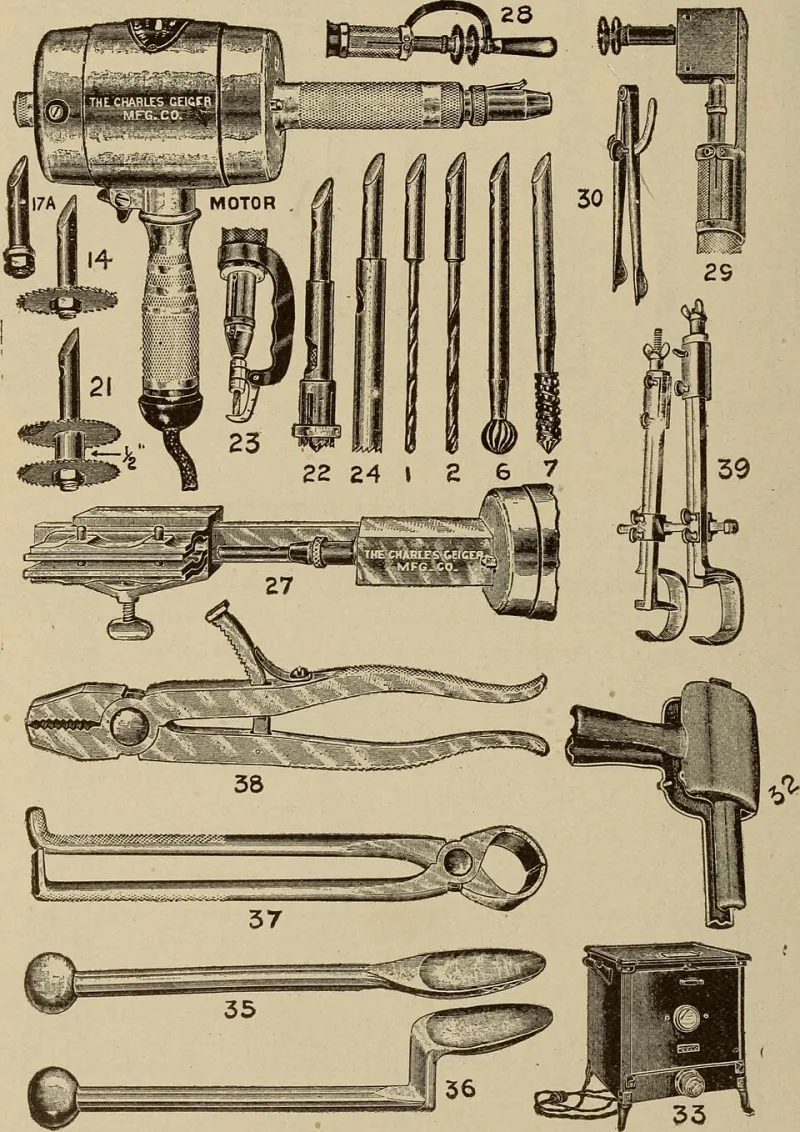
Photo: Fred Haslam & Co, No restrictions, via Wikimedia Commons
Walk through the supply room of any small practice and you will find the same quiet contradiction. On one shelf, disposable everything — single-use retractors, disposable specula, packaged-to-death kits. In the back, a well-worn autoclave humming along, reprocessing instruments that could have been replaced for less than the cost of the sterilization pouches. Neither choice is wrong. What is wrong is that neither choice was ever really made.
Habit Is Not a Procurement Strategy
The single-use versus reusable question is one of the oldest in clinical supply, and it has calcified into reflex. Some practices went disposable during the pandemic and never revisited the decision. Others inherited reusable instruments from a previous owner and reprocess them on autopilot. In both cases, the decision predates the current cost structure — labor rates, waste-hauling contracts, and sterilization supplies have all shifted materially in the past five years.
An honest analysis requires running the same equation on both sides. Here is a framework any practice manager can complete in an afternoon.
The Four-Factor Equation
1. Upfront and per-unit cost. Single-use wins this line on its face: the packaged price is the whole price. Reusable instruments carry a higher initial outlay, but that cost amortizes across hundreds of reprocessing cycles. Divide the purchase price by the realistic number of use cycles — not the manufacturer's optimistic figure — to get a true per-use baseline.
2. Reprocessing labor and materials. This is the line item most practices never calculate. Staff time to collect, clean, inspect, pouch, and autoclave instruments runs 8 to 15 minutes per load, plus the cost of enzymatic detergents, pouches, indicators, and periodic autoclave maintenance and validation. At current US wage rates, reprocessing a simple tray often costs several dollars per cycle — enough to erase the apparent savings on low-cost items.
3. Infection risk exposure. Single-use devices eliminate reprocessing failure risk entirely. Reusable instruments are safe when reprocessed correctly, but "correctly" depends on training, workflow consistency, and equipment that passes its spore testing every cycle. The financial framing here is not fear — it is the cost of a single breach investigation, which for a small practice can dwarf years of supply savings.
4. Disposal and regulatory burden. Disposables generate regulated medical waste, and RMW hauling is not cheap; some states treat certain single-use items as more costly to discard than others. Reusables shift the burden to utilities and reprocessing consumables instead. Weigh your local waste contract honestly — it varies enormously by region and hauler.
Where the Answer Usually Lands
For high-touch, low-cost items used constantly — gauze, gloves, basic wound care — disposables almost always win; reprocessing labor cannot compete. For expensive, durable instruments used daily, reusables typically justify themselves within the first year. The genuinely contested middle — mid-priced instruments used occasionally — is exactly where the calculation matters most, and where most practices have never actually run it.
Make the Decision Defensible
Whatever conclusion your practice reaches, document the reasoning. A one-page comparison showing per-use costs on both sides transforms a purchasing preference into a defensible policy — useful when a payer audits, when a staff member questions the workflow, or when the next supply disruption forces a fast substitution. In medical purchasing, the practices that thrive are not the ones that always choose correctly, but the ones that can show why they chose at all.