Thirty Days Before the Invoice: Turning Equipment Demos Into Real-World Evidence
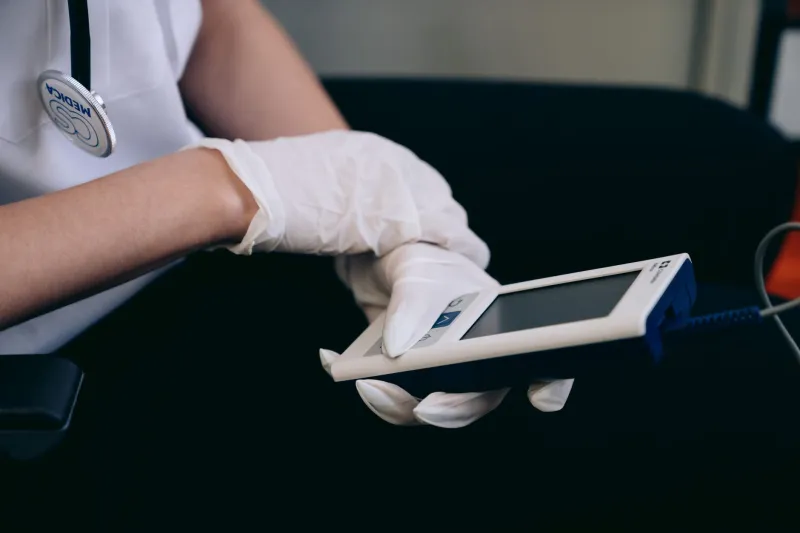
The sales representative arrives with a demo unit, a slide deck, and a quote valid through the end of the month. The device looks impressive on the showroom floor, and the price is reasonable — or at least defensible. Within two weeks, the purchase order is signed, and within six months, the device sits half-used in a corner because the workflow it demanded never matched the workflow the practice actually runs.
This sequence plays out in ambulatory practices across the country every quarter. The remedy is unglamorous but effective: insist on a structured in-office trial before committing capital, and treat that trial with the same rigor you would apply to a clinical protocol.
What the Demo Is — and What It Is Not
A vendor demonstration is a controlled performance. The representative knows the device's strengths, rehearses the workflow, and answers questions from a prepared playbook. None of this is deceptive; it is simply not evidence. Your patients are not rehearsed, your staff is not trained on the unit, and your schedule does not pause for a smooth handoff between rooms.
A trial, by contrast, subjects the device to your actual patient flow: the double-booked mornings, the staffing gaps, the turnover between visits. The gap between demo performance and daily performance is where most equipment regret is born.
Structuring the 30-Day Evaluation
A trial without structure produces anecdotes, not decisions. Before the demo unit arrives, put the following in writing:
- Duration and scope. Thirty days is generally long enough to cover a full billing cycle and a range of patient types. Specify which rooms, which providers, and which visit categories the device must handle.
- Success criteria. Define measurable thresholds in advance — setup time per use, error or rework rate, cleaning time between patients, and integration with your EHR or billing workflow.
- Cost of the trial. Confirm in writing whether the trial is free, whether consumables used during evaluation are billable, and what happens if the unit is damaged.
- Exit terms. Clarify that no obligation attaches to the trial and that the quoted price, if you proceed, is locked regardless of the trial outcome.
Distribute a simple scoring sheet to every staff member who touches the device. Ask for ratings on a consistent scale across four dimensions: ease of use, time impact, patient experience, and reliability. Collect sheets weekly rather than at the end, when memories soften and frustrations blur.
Questions Worth Asking the Vendor
The demonstration meeting is your only low-cost opportunity to interrogate the product. Ask questions the sales deck does not anticipate:
- What is the mean time between failures for this model in practices of our size and volume?
- What consumables does it require, at what recurring cost, and what is the current lead time on those supplies?
- What is the warranty term, what does it exclude, and what is the average turnaround for a service call in our region?
- Is the training included, or billed separately? How many hours does a typical practice need?
- What happens to our data and workflows if we later switch to a competing product?
A vendor who resists a trial, or who hedges on service turnaround times, is telling you something important about how the relationship will work after the sale.
Red Flags That Surface During Real Use
Watch for patterns that predict long-term disappointment:
- The workflow tax. If staff invent workarounds in week one — propping the device at an angle, pre-staging supplies outside the room — the ergonomics will not improve with familiarity.
- Consumable dependency. Devices locked to proprietary disposables convert a one-time purchase into a subscription you did not negotiate.
- Cleaning burden. A unit that takes ninety seconds longer to turn over between patients quietly costs more than its purchase price over a year.
- Silent staff resistance. If usage logs show the device being bypassed, that is data, not stubbornness.
From Trial to Purchase Order
When the evaluation closes, convene the staff who scored the device, review the aggregate results against your pre-defined criteria, and document the decision — including the decision to walk away. Practices that decline a purchase after a failed trial report the same thing: the vendor respected the process, and the door remained open for future products.
The capital budget is the scarcest resource in most outpatient practices. A month of disciplined evaluation is a small price to ensure it is spent on equipment that survives contact with a Tuesday morning.