Proof Without Custody: Rebuilding Acceptance Authority for Unattended Clinical Deliveries
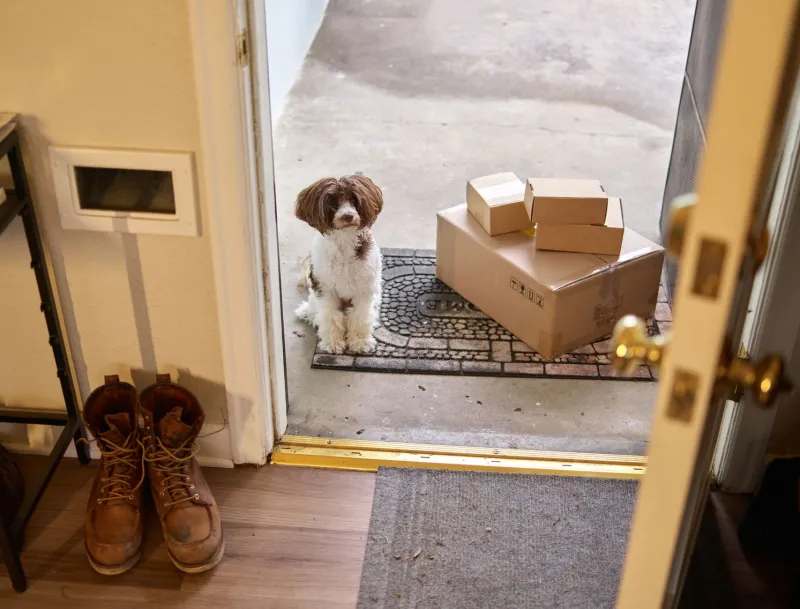
A package photographed on a clinic doorstep can look like a completed delivery. It is not an accepted shipment. In outpatient supply chains, the gap between those two ideas is where losses accumulate: a carrier records delivery, the practice records nothing, and the next conversation concerns a missing item, a compromised cold-chain package, or a device that arrived without a signature. PlesuraMed’s view is that receiving is a clinical operations control, not a convenience.
Delivery Is Not Acceptance
Carriers distinguish between delivery and acceptance, but clinic teams often do not. A driver may release a parcel under a service level that permits photo proof, indirect signature, or delivery to a mailroom. The carrier’s record can be complete while the practice has not inspected the carton, verified the quantity, or confirmed that the contents remained within required conditions. That is not acceptance. It is custody without confirmation.
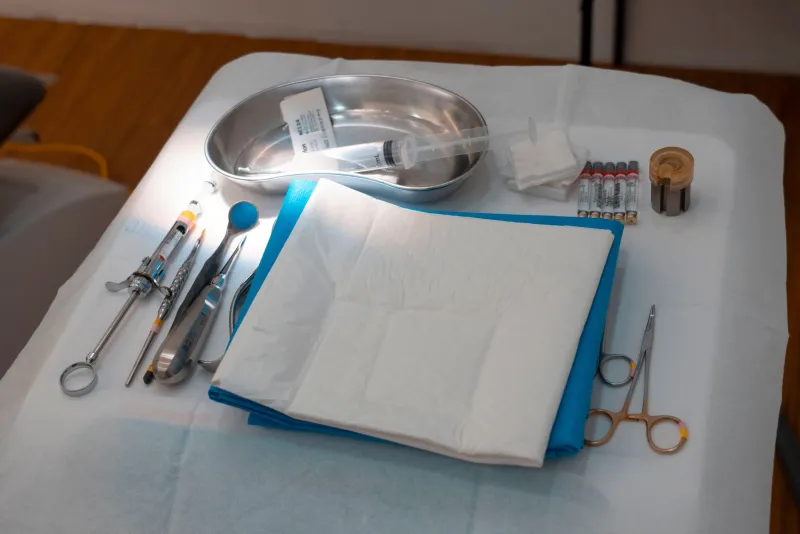
For clinical supplies, the distinction matters. A box of gauze can tolerate a few hours in a vestibule. A shipment of temperature-sensitive reagents, a sterile procedure tray, or a high-value device may not. The practice becomes the de facto owner of a shipment it never affirmatively received, and the burden of proving what happened next falls on the weaker record.
Where Unattended Deliveries Create Exposure
The first exposure is thermal. A cold-chain package left in a sunlit entryway or a heated hallway can exceed its validated range before anyone opens it. The second is physical. Cartons left outside a locked suite may be exposed to moisture, pests, or unauthorized handling. The third is documentation. When a package is found rather than received, staff often reconstruct the arrival time from a carrier portal, not from a clinic log.
High-value and procedure-specific items carry a different risk. Custom trays and device kits may be packaged to preserve sterility, orientation, or component count. A carton that is dropped, stacked, or left on its side may look intact in a photo while the internal packaging has shifted or been compressed. Photo proof-of-delivery captures the outside of the box, not the condition of the contents.
There is also an accountability gap. If no clinic employee signs, no one owns the moment of receipt. Inventory records may show a purchase order as open, while the carrier shows delivery as complete. Reconciliation becomes a debate rather than a check.
The Photo That Proves Too Little
Photo proof is useful evidence that a driver reached a location. It is weak evidence that the shipment was accepted by the right person at the right place under the right conditions. A photo can show a carton at a side door, but not whether the door is an approved receiving point. It can show a label, but not whether the carton was left in heat. It can show a package, but not whether a signature was required and obtained.
Outpatient teams should treat photo proof as a trigger for verification, not as a substitute for it. The question is not whether the carrier has a image. The question is whether the practice has a record of who took custody, where the shipment was placed, and what condition it was in when opened.
An Acceptance Matrix for Outpatient Teams
The most practical remedy is a written acceptance matrix. It should be short enough for a receiving clerk to use and specific enough to settle disputes. The matrix below is a starting point; practices should adapt it to their state rules, accreditation requirements, and distributor agreements.
| Shipment type | Signature authority | Approved drop-off location | Carrier instruction | Escalation if unattended |
|---|---|---|---|---|
| Routine ambient clinical supplies | Trained receiving lead or named designee | Locked receiving room or monitored mailroom; not a public hallway | Require an authorized clinic signature; no driver release | Inspect same day; report discrepancies within 24 hours |
| Temperature-sensitive supplies | Receiving lead, with clinical reviewer when required | Validated refrigerator, freezer, or conditioned holding area only | Refuse delivery if no authorized signer is present; do not leave with ice packs | Quarantine immediately; assess temperature indicator; notify distributor |
| High-value devices or custom trays | Practice manager or equipment coordinator | Secure cage or locked office with limited access | Named recipient and signature; no photo-only release | Open carrier ticket before close of business; preserve all packaging |
| After-hours or weekend delivery | On-call manager only when prearranged | Preapproved secure area with notification to on-call staff | Schedule delivery; no unscheduled drop-off | Document discovery time; inspect at start of next business day |
| Partial, damaged, or wet carton | Receiving lead | Receiving area, not patient-care space | Note damage on carrier record; photograph all sides before opening | Notify distributor and carrier; hold shipment for inspection |
Put the Matrix Into the Carrier Record
A matrix kept in a policy binder will not change driver behavior. The practice must translate it into carrier account instructions, delivery labels, and distributor order notes. Confirm what the selected service level actually means in practice. A signature requirement may permit an indirect signature, and a release authorization may override a clinic preference unless it is removed.
For recurring deliveries, ask the distributor to place receiving instructions on the account and on the shipping label. For one-off equipment orders, confirm the delivery appointment and the name of the person authorized to accept. If the practice cannot staff a receiving window, the correct answer is to reschedule, not to hope the driver leaves the carton in a sensible place.
Close the Loop After Arrival
Acceptance authority should be paired with a simple receiving log. Record the date and time of arrival, the carrier, the carton count, visible condition, the name of the person who took custody, and any temperature indicator reading. If a package is discovered rather than handed over, record that fact plainly. The log does not need to be elaborate; it needs to be contemporaneous.
At the end of each month, review unattended-delivery incidents alongside carrier performance. A pattern of repeated after-hours drops, missing signatures, or damaged cartons is a supply-chain signal. It may point to an unrealistic delivery window, an unclear carrier instruction, or a receiving area that is not actually secure.
The Door Is Not a Receiving Dock
Unattended delivery is not inherently unsafe, but it is unsafe by default when the practice has not defined who may accept, where a shipment may be left, and what happens when those conditions are not met. In 2026, as delivery networks push more parcels toward release-and-photo models, outpatient teams need a clear line between a carrier’s completion record and the clinic’s acceptance record. The signature gap is not a clerical detail. It is the point where clinical risk, financial risk, and inventory truth either meet or diverge.